Quick answer · 짧은 답
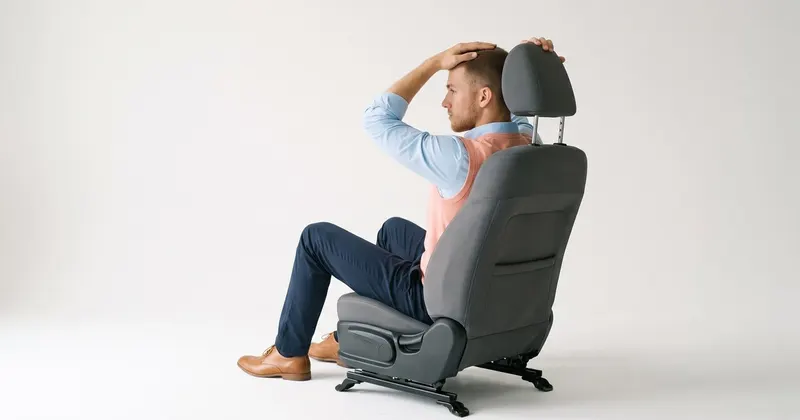
Set the top of the headrest level with the top of your head, and sit so the gap behind your head is no more than two or three fingers. In a Portland study, 93% of drivers had it wrong. Seats rated good were linked with about 35% fewer neck injuries lasting three months or more. At a stop, rest your head back and check the mirror with your eyes, because a turned head roughly doubles the stretch on the small neck joints.
머리 받침 윗면을 정수리 높이에 맞추고, 뒤통수와의 틈이 손가락 두세 개를 넘지 않게 앉으세요. 포틀랜드 연구에서 운전자 93%가 제자리에 두지 않았어요. '좋음' 등급 시트에서는 석 달 넘게 가는 목 부상이 약 35% 적었어요. 신호 대기 중에는 뒤통수를 받침에 대고 룸미러는 눈으로 보세요. 고개를 돌리면 목 뒤 작은 관절이 두 배쯤 더 늘어나요.
When patients come in after a rear-end crash, I ask a question most of them have never thought about: "Where was your headrest?" The usual answer is a pause, and then, "Wherever it was when I got the car."
뒤에서 받히고 오신 분들께 꼭 드리는 질문이 있어요. 대부분 한 번도 생각해 본 적 없는 질문이에요. "머리 받침이 어디 있었어요?" 보통 잠깐 생각하시다가 이렇게 대답하세요. "차 샀을 때 그대로요."
That's normal. When researchers in Portland, Oregon watched more than 4,000 drivers go by, 93% had their headrest in a less-than-ideal position. It's the one safety part in the car almost nobody touches. And it takes about a minute to set right.
흔한 일이에요. 오리건주 포틀랜드에서 연구진이 지나가는 운전자 4,000여 명을 살펴봤더니, 93%가 머리 받침을 제자리에 두고 있지 않았어요. 차 안에서 거의 아무도 손대지 않는 안전장치예요. 그런데 제대로 맞추는 데는 1분이면 돼요.
This is the last of three pieces on car accidents. The first six weeks covers what to do after a crash, and It's rarely just your neck covers the places besides the neck that often hurt. This one is about before.
교통사고 이야기 세 편 가운데 마지막이에요. 사고 뒤에 할 일은 교통사고 뒤 첫 6주에, 목 말고 흔히 아픈 곳은 교통사고 뒤, 목만 아픈 게 아니라면에 정리했어요. 이 글은 사고 전 이야기예요.
What a headrest is for
머리 받침은 무엇을 하나요
It's called a headrest, but resting isn't its job. Its real name is a head restraint. In a rear-end crash, the seat pushes your body forward first, and your head stays behind for a moment. The gap between the back of your head and the restraint is the distance your head travels before something catches it. The bigger that gap, the more your neck has to bend and stretch on its own before it gets help. (How the neck bends in those first fractions of a second is explained in The car was fine.)
이름은 머리 받침이지만, 머리를 기대는 곳이 아니에요. 영어 정식 이름은 head restraint, 머리를 '잡아 주는' 장치라는 뜻이에요. 뒤에서 받히면 시트가 몸통을 먼저 앞으로 밀고, 머리는 잠깐 뒤에 남아요. 뒤통수와 머리 받침 사이의 틈만큼 머리가 뒤로 움직인 뒤에야 받쳐져요. 틈이 클수록 그 사이에 목이 혼자 더 많이 젖혀지고 늘어나요. (그 짧은 순간 목이 어떻게 꺾이는지는 차는 멀쩡했는데 글에 있어요.)
Neck sprains and strains are the most frequently reported injuries in US auto insurance claims, according to the Insurance Institute for Highway Safety (IIHS). So a part that shortens that gap is worth a minute of your time.
미국 고속도로안전보험협회(IIHS)에 따르면, 미국 자동차 보험 청구에서 가장 많이 접수되는 부상이 목 염좌예요. 흔히 '목을 삐었다'고 하는 부상이죠. 그 틈을 줄이는 일이라면 1분 써 볼 만해요.
How high, how close
얼마나 높게, 얼마나 가깝게
For years, IIHS rated head restraints by their geometry, measured against an average-size head. To earn a "good" rating, the restraint had to reach no more than 6 cm (about 2⅓ inches) below the top of the head, and sit no more than 7 cm (about 2¾ inches) behind it.
IIHS는 오랫동안 평균 크기 머리를 기준으로 머리 받침의 위치를 평가했어요. '좋음'을 받으려면 머리 받침 윗면이 정수리보다 6cm 넘게 낮으면 안 되고, 뒤통수에서 7cm 넘게 떨어져 있으면 안 됐어요.
In plain terms, for everyday driving:
일상에서 쓰기 쉽게 바꾸면 이래요.
Height · 높이: the top of the restraint level with the top of your head. Never lower than the middle of the back of your head. If the soft part sits behind your neck, it's too low. · 머리 받침 윗면을 정수리 높이에 맞춰요. 뒤통수 한가운데보다 낮으면 안 돼요. 푹신한 부분이 목 뒤에 와 있다면 너무 낮은 거예요.
Distance · 거리: as close to the back of your head as you can comfortably sit. A gap of two or three fingers is about the most you want. · 편하게 앉았을 때 뒤통수에 최대한 가깝게 맞춰요. 틈은 넉넉히 잡아도 손가락 두세 개까지예요.
In 2022, IIHS retired that test, because almost every new model was already earning a good rating. That's good news about how seats are built. It doesn't help if the restraint has been pushed all the way down.
2022년에 IIHS는 이 평가를 그만뒀어요. 새 차 거의 모두가 이미 '좋음'을 받고 있었거든요. 요즘 시트가 잘 만들어진다는 뜻이니 좋은 소식이에요. 다만 머리 받침을 맨 아래로 내려 두면 소용이 없어요.
Does adjusting it actually matter?
맞추면 정말 차이가 있나요
Insurance claims give a real-world answer. When one carmaker redesigned its head restraints to sit higher and closer to the head, neck injury claims from rear-end crashes dropped by about 37% among female drivers. Restraints that move up and forward automatically in a crash were linked with about 43% fewer claims.
보험 청구 기록을 보면 실제 도로에서 어떤지 알 수 있어요. 한 자동차 회사가 머리 받침을 더 높고 머리에 더 가깝게 다시 설계하자, 뒤에서 받힌 사고의 목 부상 청구가 여성 운전자에서 약 37% 줄었어요. 사고 순간 저절로 위·앞으로 나오는 머리 받침은 청구가 약 43% 적었고요.
Another IIHS study looked at about 3,000 claims across 105 vehicle models. Drivers in seats rated good had about 15% fewer neck injury claims than those in seats rated poor, and about 35% fewer injuries that lasted three months or more.
IIHS의 다른 연구는 105개 차종에서 청구 약 3,000건을 살펴봤어요. '좋음' 등급 시트에 앉은 운전자는 '나쁨' 등급 시트보다 목 부상 청구가 약 15% 적었고, 석 달 넘게 가는 부상은 약 35% 적었어요.
A well-built seat does its part. Your part is to put the restraint where it can reach you.
시트를 잘 만드는 건 자동차 회사의 몫이에요. 머리 받침을 제자리에 맞춰 두는 건 운전하는 우리 몫이에요.
For women, this matters a little more
여성에게는 조금 더 중요해요
Study after study finds that women are more likely than men to have a neck injury in a rear-end crash. In Swedish insurance data, women in the driver's seat had about three times the risk of lasting disability from these injuries compared with men.
여러 연구에서 뒤에서 받힌 사고로 목을 다치는 일은 여성이 남성보다 많았어요. 스웨덴 보험 자료에서는 운전석에 앉은 여성이 이런 목 부상이 장해로 오래 남을 위험이 남성의 약 3배였어요.
Part of the reason is thought to be the neck itself: on average, a woman's neck is slimmer, with less muscle around it. Adjustment alone doesn't explain the gap. In one Swedish study, women actually sat closer to their restraints than men did. But it's still the part you can control, and it's the part that costs nothing.
이유 중 하나는 목 자체에 있다고 봐요. 평균적으로 여성의 목은 더 가늘고 받쳐 주는 근육도 적어요. 머리 받침 위치만으로 이 차이가 다 설명되지는 않아요. 스웨덴의 한 연구에서는 오히려 여성이 남성보다 머리 받침에 더 가깝게 앉아 있었거든요. 그래도 머리 받침은 우리가 직접 바꿀 수 있는 부분이고, 돈도 들지 않아요.
The red light problem: a turned head
신호 대기 중 돌린 고개
Many rear-end crashes happen in traffic that's stopped or slowing down: at a light, in a backup, at the end of an off-ramp. That's also when you glance over your shoulder, turn to talk to someone in the back seat, or look down and to the side at your phone.
뒤에서 받히는 사고는 차가 멈춰 있거나 속도를 줄일 때 많이 나요. 신호 대기 중에, 차가 밀릴 때, 고속도로에서 빠져나가는 길 끝에서요. 바로 그때 우리는 어깨 너머를 보거나, 뒷자리 사람과 말하려고 고개를 돌리거나, 옆으로 고개를 숙여 휴대폰을 봐요.
That matters. In a study of 137 people seen in the first days after whiplash, those whose head was turned or tilted at impact had more symptoms, more signs of neck strain, and more nerve-related symptoms than those who were facing straight ahead. A laboratory study of neck segments explains part of why. Turning the head roughly doubled the stretch on the small facet joint capsules at the back of the neck during a whiplash-type motion, from about 17% to about 34%. That second number is close to the point where those capsules start to tear.
이게 중요해요. 편타 손상 뒤 며칠 안에 진료받은 137명을 살펴본 연구에서, 부딪히는 순간 고개가 돌아가 있거나 기울어 있던 사람은 정면을 보고 있던 사람보다 증상이 더 많았고, 목 염좌 소견도, 신경 증상도 더 많았어요. 목뼈 표본으로 한 실험실 연구가 그 이유를 일부 보여 줘요. 고개를 돌린 상태에서 편타 같은 움직임을 주자, 목 뒤쪽 작은 후관절을 싸고 있는 주머니가 늘어나는 정도가 약 17%에서 약 34%로 두 배쯤 커졌어요. 34%는 그 주머니가 찢어지기 시작하는 지점과 비슷한 수치예요.
A turned head also turns away from the restraint, so the back of your head isn't where the restraint is waiting.
고개를 돌리면 머리 받침에서도 비켜나요. 머리 받침이 기다리는 자리에 뒤통수가 없게 되는 거예요.
The habit is simple. When you come to a stop, especially if traffic is heavy behind you, settle your head back against the restraint and look forward. Check the rear-view mirror with your eyes, not by turning your head. Save the shoulder checks and the phone for when you're parked.
습관은 간단해요. 차가 멈추면, 특히 뒤에 차가 많을 때는 뒤통수를 머리 받침에 대고 앞을 보세요. 룸미러는 고개를 돌리지 말고 눈으로 보세요. 어깨 너머 보기와 휴대폰은 주차한 뒤로 미뤄요.
When patients tell me their head was turned at the moment of the crash, I pay close attention to the upper neck on the side they were turned toward. The joints that took the most stretch are often the ones that stay stiff.
환자분이 부딪히는 순간 고개가 돌아가 있었다고 말씀하시면, 저는 돌렸던 쪽 목 위쪽을 특히 꼼꼼히 봐요. 가장 많이 늘어난 관절이 굳은 채로 남는 경우가 많거든요.
How you sit changes the distance
앉는 자세에 따라 틈이 달라져요
You can set the restraint perfectly and then lean the seat back, and the gap comes right back. The more reclined the seatback, the farther your head sits from the restraint. Sliding down in the seat does the same thing to the height: your head drops, and the restraint ends up behind your neck. That's why the restraint and the seat have to be set together.
머리 받침을 딱 맞춰 놓고 등받이를 뒤로 눕히면 틈이 그대로 다시 생겨요. 등받이가 많이 누울수록 머리는 머리 받침에서 멀어져요. 시트에서 몸이 아래로 미끄러져 내려가도 마찬가지예요. 머리가 내려가면서 머리 받침이 목 뒤로 가 버려요. 그래서 머리 받침과 시트는 함께 맞춰야 해요.
A comfortable driving position that also keeps the restraint close:
머리 받침도 가깝게 두면서 편하게 운전하는 자세는 이래요.
Sit all the way back, hips touching the back of the seat · 엉덩이를 등받이 끝까지 붙여 앉아요
Seatback fairly upright, so your head sits close to the restraint without effort · 등받이는 조금 세워서, 힘주지 않아도 머리가 머리 받침 가까이 오게 해요
Wrists can rest on the top of the steering wheel with your shoulders still on the seat · 어깨를 등받이에 붙인 채로 손목이 핸들 윗부분에 닿을 만큼 앉아요
Knees slightly bent at full pedal · 페달을 끝까지 밟아도 무릎이 살짝 굽어 있게 해요
This is the same idea as in our other posts on the spine: a body that's stacked and supported doesn't have to brace.
척추에 관한 다른 글들과 같은 이야기예요. 몸이 제대로 쌓이고 받쳐져 있으면 따로 버틸 필요가 없어요.
The one-minute check
1분 점검
Do this in your own car once, and every time you get into a rental, a borrowed car or a car someone else drove last.
내 차에서 한 번 맞춰 두시고, 렌터카처럼 다른 사람이 타던 차를 운전할 때도 그때마다 해 보세요.
Sit the way you drive. Hips back, seatback upright. Set this first. · 운전하는 자세로 앉아요. 엉덩이를 뒤로 붙이고 등받이를 세워요. 이걸 먼저 맞춰요.
Find the top of your head. Lay a hand flat on top of your head and slide it straight back. · 정수리를 찾아요. 손바닥을 정수리 위에 평평하게 얹고 그대로 뒤로 밀어 보세요.
Raise the restraint to meet your hand. Press the button on the side of the post and pull it up until the top is level with your hand. You'll hear it click into place. · 머리 받침을 손 높이까지 올려요. 기둥 옆 버튼을 누르고 윗면이 손과 같은 높이가 될 때까지 올려요. 딸깍 하고 걸려요.
Check the gap. Sit back normally and slide two or three fingers between your head and the restraint. If more fits, bring the seatback up a notch, or tilt the restraint forward if yours does that. · 틈을 확인해요. 평소처럼 기대어 앉아서 뒤통수와 머리 받침 사이에 손가락 두세 개를 넣어 보세요. 더 들어가면 등받이를 한 칸 세우거나, 머리 받침이 앞으로 기울어지는 차라면 앞으로 당겨요.
Don't forget the passengers. Rear headrests are often pushed all the way down for a clear view out the back window. Raise them when someone is sitting there. · 같이 탄 사람도 챙겨요. 뒷자리 머리 받침은 뒷유리로 뒤가 잘 보이게 하려고 맨 아래로 내려 둔 경우가 많아요. 누가 앉으면 올려 주세요.
How we look at it at Levitas
Levitas에서는 이렇게 봐요
We ask how you were sitting. Where the restraint was, whether your head was turned, which way, and whether you saw it coming. Those answers tell me where to look first, especially in the upper neck.
어떻게 앉아 있었는지 여쭤봐요. 머리 받침이 어디 있었는지, 고개를 돌리고 있었는지, 어느 쪽으로였는지, 사고를 미리 봤는지요. 이 대답으로 어디부터 볼지 정해요. 특히 목 위쪽이요.
We check the side you were turned toward. Each segment of the neck is checked level by level, right against left, along with how far you can turn and tilt to each side. A turned-head crash often leaves one side stiffer than the other.
고개를 돌렸던 쪽을 확인해요. 목뼈를 한 마디씩 좌우로 비교하고, 양쪽으로 얼마나 돌리고 기울일 수 있는지도 재요. 고개를 돌린 채 받힌 사고는 한쪽이 더 굳어 남는 경우가 많아요.
Safety questions come first. Head injury, numbness or weakness in the arms, dizziness: we check for those at the first visit before anything else, and if something needs a closer look, we arrange it first.
안전에 관한 질문이 먼저예요. 머리 손상, 팔 저림이나 힘 빠짐, 어지럼. 첫 방문에서 무엇보다 먼저 확인하고, 더 살펴봐야 할 게 있으면 그것부터 챙겨 드려요.
Your driving setup is part of the plan. If you drive for work or spend a long time in the car, we go over your seat and restraint position with you, the same way we'd look at a desk setup. A neck that's healing shouldn't spend an hour a day without support.
운전 자세도 치료 계획에 들어가요. 일 때문에 운전하시거나 차에서 오래 계신다면, 책상 자세를 봐 드리듯 시트와 머리 받침 위치도 같이 맞춰 봐요. 낫고 있는 목이 하루 한 시간씩 받침 없이 버티면 안 되니까요.
Who comes in
이런 분들이 오세요
Someone who was looking over their shoulder or at the mirror when they were hit, and whose neck is now stiff on that side · 받히는 순간 어깨 너머나 거울을 보고 있었고, 그쪽 목이 굳은 분
Someone who commutes every day and wants their neck checked before it becomes a problem · 매일 출퇴근 운전을 하는데, 목이 문제가 되기 전에 확인받고 싶은 분
Someone who had a small fender-bender and keeps telling themselves it was nothing · 가벼운 접촉 사고였다며 별일 아니라고 넘기고 계신 분
A new driver, or a parent of one, who wants to set up the car properly from the start · 운전을 막 시작했거나, 운전을 시작한 자녀의 차를 처음부터 제대로 맞춰 주고 싶은 분
Next time you get in the car, before you start the engine, put a hand on top of your head and see where the restraint is. It takes a minute. If a crash has already happened, or your neck has been telling you something since, come in and let me take a look.
다음에 차에 타시면 시동을 걸기 전에 손을 정수리에 얹고 머리 받침이 어디 있는지 확인해 보세요. 1분이면 돼요. 이미 사고가 났거나, 그 뒤로 목이 계속 신경 쓰이신다면 오셔서 보여 주세요.
Thanks for reading. Questions are welcome by phone or email. We answer every one.
읽어 주셔서 고마워요. 궁금한 건 전화나 이메일로 편하게 물어보세요. 하나하나 답해 드려요.
References
참고 문헌
Young AL, Ragel BT, Su E, et al. Assessing automobile head restraint positioning in Portland, Oregon. Inj Prev. 2005;11(2):97.
Insurance Institute for Highway Safety. Head restraint rating protocol; head restraint ratings retired, 2022.
Farmer CM, Wells JK, Lund AK. Effects of head restraint and seat redesign on neck injury risk in rear-end crashes. Traffic Inj Prev. 2003;4(2):83-90.
Farmer CM, Zuby DS, Wells JK, Hellinga LA. Relationship of dynamic seat ratings to real-world neck injury rates. Traffic Inj Prev. 2008;9(6):561-7.
Krafft M, Kullgren A, Lie A, Tingvall C. The risk of whiplash injury in the rear seat compared to the front seat in rear impacts. Traffic Inj Prev. 2003;4(2):136-40.
Carlsson A, Pipkorn L, Kullgren A, Svensson M. Real-world adjustments of driver seat and head restraint in Saab 9-3 vehicles. Traffic Inj Prev. 2017;18(4):398-405.
Sturzenegger M, DiStefano G, Radanov BP, Schnidrig A. Presenting symptoms and signs after whiplash injury: the influence of accident mechanisms. Neurology. 1994;44(4):688-93. PMID 8164827
Siegmund GP, Davis MB, Quinn KP, et al. Head-turned postures increase the risk of cervical facet capsule injury during whiplash. Spine. 2008;33(15):1643-9.
View the full brochure · 브로셔 전체 보기


Still stiff after an accident?
사고 후 남은 뻣뻣함, 한국어로 편하게 상담하세요. PIP 보험 진료 가능.
Book a visit · 예약하기카톡으로 먼저 물어보기