
Quick answer · 짧은 답
After a car accident, pain in more than one place is the norm: in a study of over 6,400 people, 72% had headache and 60% low back pain, and fewer than 1 in 200 hurt only in the neck. The seatbelt holds the chest and hips while the rest keeps moving, so strain lands where the neck meets the upper back, where ribs meet the spine, and where the low back meets the pelvis. At Levitas the first exam covers the whole spine, ribs and jaw, and we adjust and train in the same visit. PIP is billed directly.
교통사고 뒤 여러 군데가 아픈 건 흔한 일이에요. 6,400여 명 연구에서 72%는 머리가, 60%는 허리가 아팠고, 목만 아픈 사람은 200명 중 1명도 안 됐어요. 벨트가 가슴과 골반을 붙잡는 사이 나머지가 계속 움직여서, 목과 등이 만나는 곳, 갈비뼈가 척추에 붙는 곳, 허리와 골반이 만나는 곳에 힘이 몰려요. Levitas에서는 첫 검사에서 척추 전체와 갈비뼈, 턱까지 보고, 같은 날 교정과 운동을 함께 해요. PIP는 저희가 직접 청구해요.
"My neck I expected. But why does my chest hurt when I take a deep breath? Why is my lower back sore? I wasn't even hit there."
"목은 그럴 줄 알았어요. 그런데 숨을 크게 쉬면 가슴이 왜 아프죠? 허리는 왜 쑤시고요? 거긴 부딪히지도 않았는데요."
I hear some version of this almost every week. And it makes sense once you see the numbers. In a study of more than 6,400 people in Saskatchewan who were treated after a traffic injury, 86% had neck pain. But 72% also had headache, 60% had low back pain, and 95% had pain somewhere along the back of the trunk. Pain in the neck and nowhere else? Less than half of one percent.
거의 매주 비슷한 말씀을 들어요. 숫자를 보면 이상한 일이 아니에요. 캐나다 서스캐처원에서 교통사고 뒤 치료를 받은 6,400여 명을 살펴본 연구가 있어요. 86%가 목이 아팠어요. 그런데 72%는 머리도 아팠고, 60%는 허리도 아팠고, 95%는 목에서 허리까지 몸 뒤쪽 어딘가가 아팠어요. 목만 아프고 다른 데는 멀쩡한 사람은 0.5%도 안 됐어요.
So if more than one place hurts, you're not imagining it, and you're not unusual. That's the normal shape of a crash. This page goes through those places one at a time: what each one usually means, and what we check. If you want the calendar of what to do in the first weeks, that's in The first six weeks after a car accident.
그러니 여러 군데가 아프다면 기분 탓도 아니고, 유난한 것도 아니에요. 사고가 원래 그런 모양으로 남아요. 이 글에서는 그 자리를 하나씩 짚어 볼게요. 각각 흔히 무엇을 뜻하는지, 그리고 저희가 무엇을 확인하는지요. 첫 몇 주 동안 언제 무엇을 하면 좋은지는 교통사고 뒤 첫 6주 글에 정리해 두었어요.
Why a crash travels
사고의 힘이 몸 곳곳으로 가는 이유
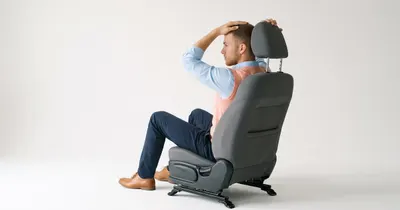
Picture the moment of impact from the inside. The seatbelt catches your chest and hips. That is its job, and it is the reason most people walk away. But the belt holds only part of you. The head, the arms, the far shoulder, and the spine between the belt straps keep moving for a split second, then snap back.
부딪히는 순간을 몸 안에서 본다고 생각해 보세요. 안전벨트가 가슴과 골반을 붙잡아요. 그게 벨트가 하는 일이고, 대부분이 걸어서 차에서 내릴 수 있는 이유예요. 그런데 벨트가 붙잡는 건 몸의 일부뿐이에요. 머리, 팔, 벨트가 지나가지 않는 쪽 어깨, 그리고 벨트 사이의 척추는 아주 잠깐 더 움직였다가 되돌아와요.
The spine is one connected chain, from the skull to the pelvis. When one part is held and the parts above and below it keep going, the strain lands at the turning points: where the neck meets the upper back, where the ribs meet the spine, where the low back meets the pelvis. Then, over the following days, each sore spot changes how the others move. A stiff mid-back makes the neck work harder. A guarded chest makes you breathe high in the shoulders. That is how one second turns into several sore places.
척추는 머리뼈에서 골반까지 하나로 이어진 사슬이에요. 한 곳이 붙잡혀 있는데 그 위아래가 계속 움직이면, 힘은 꺾이는 자리에 몰려요. 목과 등이 만나는 곳, 갈비뼈가 척추에 붙는 곳, 허리와 골반이 만나는 곳이요. 그리고 며칠에 걸쳐 아픈 곳 하나가 다른 곳의 움직임을 바꿔 놓아요. 등 가운데가 굳으면 목이 더 일해야 하고, 가슴이 아파 움츠러들면 숨을 어깨로 쉬게 돼요. 1초가 여러 군데 통증으로 남는 건 이렇게예요.
Where the seatbelt held you
안전벨트가 지나간 가슴과 어깨
The belt runs from one shoulder, across the breastbone, to the opposite hip. Studies of belted front-seat occupants have long found that bruising and soft-tissue injury along that line are common. It's the trade for being held in your seat, and a good trade.
벨트는 한쪽 어깨에서 가슴뼈를 가로질러 반대쪽 골반으로 내려가요. 앞자리에서 벨트를 맨 사람들을 살펴본 연구들은 오래전부터 그 선을 따라 멍이 들거나 연부 조직이 다치는 일이 흔하다고 봤어요. 자리에 붙잡혀 있는 대가인 셈인데, 충분히 남는 거래예요.
What people notice: the breastbone or ribs hurt when they take a deep breath, cough, or roll over in bed. The collarbone on the belt side aches. Sometimes the pain sits in the back instead, right where those same ribs meet the spine.
이렇게 느끼세요. 숨을 크게 들이쉬거나 기침하거나 자다가 돌아누울 때 가슴뼈나 갈비뼈가 아파요. 벨트가 지나간 쪽 쇄골이 쑤시고요. 아픈 자리가 앞이 아니라 등에 있을 때도 있어요. 그 갈비뼈가 척추에 붙는 바로 그 자리요.
Each rib forms small joints at both ends, at the breastbone in front and at the spine in back. When the belt loads the front, the back end takes it too. Those joints stiffen, the breath gets shallow to avoid the ache, and the diaphragm stops moving as fully as it should. That last part matters more than it sounds. The diaphragm hangs from the spine, and when it isn't doing its share, the neck and shoulders start helping with every breath. We've written about that connection in the diaphragm series.
갈비뼈마다 양쪽 끝에 작은 관절이 있어요. 앞에서는 가슴뼈에, 뒤에서는 척추에 붙어요. 벨트가 앞을 누르면 뒤쪽 끝도 같이 힘을 받아요. 그 관절들이 굳으면 아프지 않으려고 숨이 얕아지고, 횡격막도 제대로 다 내려가지 않아요. 이게 생각보다 중요해요. 횡격막은 척추에 매달려 있는 근육이라, 횡격막이 제 몫을 안 하면 숨 쉴 때마다 목과 어깨가 거들기 시작하거든요. 이 이야기는 횡격막 시리즈에 따로 써 두었어요.
At your first visit we check the chest before anything else: where it hurts, how it changes with breathing and pressure, and whether anything suggests a fracture or something that needs imaging first. If it does, we arrange that before we treat.
첫 방문에서는 가슴부터 확인해요. 어디가 아픈지, 숨 쉬거나 누를 때 어떻게 달라지는지, 골절이나 먼저 영상 검사가 필요한 부분은 없는지요. 그렇다면 치료보다 그걸 먼저 잡아 드려요.
Between the shoulder blades
날개뼈 사이, 등 가운데
This is the one people describe as "a knot I can't reach." It's often worse at the end of a workday, or after a long drive.
"손이 안 닿는 데 뭉친 것 같다"고들 하시는 자리예요. 하루 일을 마칠 무렵이나 오래 운전한 뒤에 더 심해지는 경우가 많아요.
The upper back is where the moving neck meets the ribcage, which hardly moves at all. In a crash, that's a hinge under strain. A Saskatchewan study of more than 3,400 people with mid-back pain after a traffic collision found it was common and often slow: the typical person took over three months to report recovery, and about one in four still hadn't recovered a year later.
등 위쪽은 잘 움직이는 목과 거의 움직이지 않는 갈비뼈 우리가 만나는 곳이에요. 사고 때 여기가 힘을 받는 경첩이 돼요. 서스캐처원에서 교통사고 뒤 등 가운데 통증이 생긴 3,400여 명을 따라간 연구가 있어요. 흔했고, 오래 갔어요. 회복했다고 말하기까지 보통 석 달이 넘게 걸렸고, 넷 중 한 명은 1년 뒤에도 회복하지 못했어요.
The knot is usually a guard. A segment or two of the upper back stops moving, and the muscles around it clamp down to protect it. Rubbing the knot feels good for an evening. Getting the segment underneath moving again is what lets the muscle let go. There's a bonus, too. Adjusting the upper back often helps the neck. A 2019 review that pooled 14 trials found that adults with neck pain who had their upper back manipulated reported less pain in the short term than those who had standard care.
뭉친 곳은 대개 지키는 근육이에요. 등 위쪽 마디 한두 개가 움직임을 멈추면 둘레 근육이 그 마디를 지키려고 꽉 조여요. 뭉친 데를 문지르면 그날 저녁은 시원해요. 그 아래 마디가 다시 움직여야 근육이 힘을 놓아요. 덤도 있어요. 등 위쪽을 교정하면 목도 같이 편해지는 경우가 많아요. 2019년에 14개 연구를 모은 분석에서, 목이 아픈 성인 가운데 등 위쪽 교정을 받은 쪽이 일반적인 치료만 받은 쪽보다 단기간 통증이 덜했어요.
The low back
허리
"I was rear-ended. Why my low back?"
"뒤에서 받혔는데 왜 허리가 아파요?"
Because you were sitting. In a car seat, your hips are bent and your pelvis is held by the lap belt and the seat. When the car is pushed forward, the pelvis goes with it, and the lower spine has to absorb the difference between the pelvis and the trunk above it. In that same group of 6,400 people, 60% had low back pain. A 2020 review found that people injured in a collision were more likely to develop low back pain later than people who hadn't been in one, and at least 31% still had it a year after the crash.
앉아 있었기 때문이에요. 운전석에서는 고관절이 굽어 있고, 골반은 허리 벨트와 시트에 붙잡혀 있어요. 차가 앞으로 밀리면 골반도 같이 밀리고, 허리 아래쪽 척추가 골반과 그 위 몸통 사이의 차이를 다 받아 내야 해요. 앞에서 말한 6,400여 명 가운데 60%가 허리가 아팠어요. 2020년에 나온 분석에서는 사고로 다친 사람이 그렇지 않은 사람보다 나중에 허리 통증이 생기기 쉬웠고, 사고 1년 뒤에도 적어도 31%가 허리가 아팠어요.
Low back pain after a crash often shows up later than the neck, because the neck hurts loudly at first and the back waits its turn. Then, a week or two in, bending to load the dishwasher or getting out of the car gives it away.
사고 뒤 허리 통증은 목보다 늦게 나타나는 일이 많아요. 처음엔 목이 크게 아파서 허리는 차례를 기다리거든요. 그러다 한두 주 지나 식기세척기에 그릇을 넣으려고 숙이거나 차에서 내릴 때 드러나요.
We check the low back and pelvis at the first visit even if you came in for your neck. A stiff segment at the bottom of the spine changes how you sit, stand and walk, and the neck pays for that, too.
목 때문에 오셨어도 첫 방문에서 허리와 골반까지 확인해요. 척추 아래쪽 마디가 굳으면 앉고 서고 걷는 모양이 달라지고, 그 값은 목까지 올라와요.
The jaw
턱
This one surprises people. Your mouth wasn't hit. But when the head is thrown back and forth, the lower jaw lags behind it and then catches up, and the small joint in front of each ear and the chewing muscles take a quick, unexpected load.
이건 많이들 놀라세요. 입을 부딪힌 것도 아닌데요. 그런데 머리가 앞뒤로 흔들리면 아래턱이 한 박자 늦게 따라오다가 따라잡아요. 그 사이 귀 앞의 작은 턱관절과 씹는 근육이 짧고 갑작스러운 힘을 받아요.
A systematic review of the studies on this found jaw pain in a median of 23% of people after whiplash, compared with about 3% of people who hadn't been in a crash. It can start days or weeks later. People notice it chewing something tough, waking with a tired jaw, or a new click.
이 주제를 다룬 연구들을 모은 체계적 고찰에서, 교통사고로 목을 다친 사람들의 턱 통증은 중앙값 23%였어요. 사고를 겪지 않은 사람들은 약 3%였고요. 며칠이나 몇 주 뒤에 시작될 수도 있어요. 질긴 걸 씹을 때, 아침에 턱이 피곤하게 깰 때, 전에 없던 딸깍 소리로 알게 되세요.
The jaw and the upper neck work as one unit. The same nerves serve both, and the muscles that open the mouth attach near the top of the neck. So a sore jaw keeps the upper neck tense, and a stiff upper neck makes the jaw work harder. We check them together. How the jaw connects to headaches is in Migraine, cluster, or your neck?
턱과 목 위쪽은 한 팀으로 일해요. 같은 신경이 둘을 맡고, 입을 여는 근육도 목 위쪽 가까이에 붙어 있어요. 그래서 턱이 아프면 목 위쪽이 긴장하고, 목 위쪽이 굳으면 턱이 더 일해요. 그래서 둘을 같이 봐요. 턱과 두통이 어떻게 이어지는지는 편두통일까, 군발두통일까, 목일까? 글에 있어요.
Headache
두통
Headache is the most common complaint after neck pain itself. In the Saskatchewan study, 72% reported head pain. The international headache classification has its own entry for it: headache attributed to whiplash, starting within seven days of the injury. It also notes that whiplash can happen with high or low impact forces. In other words, a small crash counts.
두통은 목 통증 다음으로 가장 흔해요. 서스캐처원 연구에서 72%가 머리가 아프다고 했어요. 국제 두통 분류에도 따로 항목이 있어요. 사고 뒤 7일 안에 시작되는 '편타 손상에 따른 두통'이에요. 이 분류는 편타 손상이 큰 충격에서도 작은 충격에서도 생길 수 있다고 적어 두었어요. 작은 사고도 해당된다는 뜻이에요.
Most crash headaches start at the back of the head and wrap forward, and they track with the neck: worse after a long day at a screen, better when the neck moves well. The top two segments of the neck share a relay station with the nerve that senses the forehead and around the eyes, so a stiff upper neck can be felt as a headache in front.
사고 뒤 두통은 대개 뒤통수에서 시작해 앞으로 감싸 오고, 목 상태를 따라가요. 화면 앞에서 오래 일한 날 심해지고, 목이 잘 움직이면 덜해요. 목 맨 위 두 마디는 이마와 눈 주위를 느끼는 신경과 같은 중계소를 써요. 그래서 목 위쪽이 굳으면 그게 앞머리 두통으로 느껴질 수 있어요.
Because a crash can also bump the head itself, we always ask first: a blow to the head, a moment you don't remember, a headache that keeps building, vomiting, confusion, trouble with words. Those come first, and if anything there needs a closer look, we arrange it before anything else. The different kinds of headache and how to tell them apart are in Migraine, cluster, or your neck?
사고 때 머리 자체를 부딪혔을 수도 있어서, 저희는 이것부터 여쭤봐요. 머리를 부딪혔는지, 기억이 끊긴 순간이 있는지, 두통이 점점 심해지는지, 토했는지, 멍하거나 말이 잘 안 나오는지요. 이게 먼저예요. 더 자세히 봐야 할 게 있으면 다른 무엇보다 그걸 먼저 잡아 드려요. 두통의 종류와 구별하는 법은 편두통일까, 군발두통일까, 목일까? 글에 있어요.
Dizziness and a foggy head
어지럼과 멍한 느낌
"I feel off when I turn my head." "I lose my place reading." "The grocery store aisles make me queasy." Dizziness is one of the most frequent complaints in people whose pain lingers after whiplash.
"고개를 돌리면 붕 뜨는 느낌이에요." "책을 읽다가 줄을 놓쳐요." "마트 진열대 사이를 걸으면 속이 울렁거려요." 교통사고 뒤 통증이 오래가는 분들이 가장 자주 하시는 말 가운데 하나가 어지럼이에요.
Part of your sense of balance comes from the neck. The small muscles and joints of the upper neck report the position of your head, all day, and the brain compares that with what the eyes and inner ear say. When the upper neck is stiff and guarded after a crash, that report gets noisy, and the mismatch feels like dizziness. (How those neck sensors work is in Nothing's wrong, they said.)
균형 감각의 일부는 목에서 와요. 목 위쪽의 작은 근육과 관절은 하루 종일 머리가 어디 있는지 알려 주고, 뇌는 그걸 눈과 속귀가 보내는 정보와 맞춰 봐요. 사고 뒤 목 위쪽이 굳고 움츠러들면 그 신호가 흐려지고, 서로 안 맞는 정보가 어지럼으로 느껴져요. (목의 센서가 어떻게 일하는지는 "이상 없습니다"라는데 글에 있어요.)
This kind of dizziness responds to hands-on care. In a trial of 86 adults with dizziness coming from the neck, both groups that received manual therapy to the neck had less dizziness and less dizziness-related handicap than a placebo group, and the benefit was still there a year later.
이런 어지럼은 손치료에 반응해요. 목에서 오는 어지럼이 있는 성인 86명을 비교한 연구에서, 목에 손치료를 받은 두 그룹 모두 가짜 치료 그룹보다 어지럼이 덜했고 어지럼 때문에 생활이 불편한 정도도 덜했어요. 그 차이는 1년 뒤에도 남아 있었고요.
Dizziness and fogginess can also come from the inner ear or from a concussion, and those need their own look. So at the first visit we screen for both before we decide the neck is the source.
어지럼과 멍한 느낌은 속귀나 뇌진탕에서 올 수도 있고, 그건 따로 살펴봐야 해요. 그래서 첫 방문에서 둘 다 먼저 확인하고 나서야 목에서 온 것인지 판단해요.
Why it matters that it's several places
여러 곳이라는 게 왜 중요한지
In a US study of nearly 900 adults seen in the emergency department after a crash and sent home, two out of three had pain in three or more parts of the body in the first days.
교통사고 뒤 응급실에서 진료받고 집으로 돌아간 미국 성인 약 900명을 살펴본 연구에서, 세 명 중 두 명이 처음 며칠 동안 몸 세 군데 이상이 아팠어요.
That changes how the care should look. Treat only the neck, and the stiff mid-back, the guarded ribs and the stiff low back stay behind, still asking the neck to do extra. The neck feels better on the table and worse by Thursday. Treat the spine as the chain it is, and each piece stops pushing the others.
그러면 치료 방법도 달라져야 해요. 목만 치료하면 굳은 등 가운데, 움츠린 갈비뼈, 뻣뻣한 허리는 그대로 남아서 계속 목에게 일을 더 시켜요. 치료받을 땐 목이 편한데 목요일쯤엔 다시 아파요. 척추를 원래대로 하나의 사슬로 보고 치료하면, 서로를 밀어붙이던 게 멈춰요.
The order stays the same as in the first six weeks: movement, then pattern, then load. Adjust the segments that are locked, wherever they are. Then train the breath, the deep neck muscles and the trunk to hold those segments in place. Then give the body its normal work back.
순서는 첫 6주 글과 같아요. 움직임, 그다음 패턴, 그다음 부하예요. 어디에 있든 잠긴 마디를 교정하고, 그 마디를 숨과 목의 깊은 근육과 몸통이 붙잡도록 훈련하고, 그다음에 몸에 원래 하던 일을 돌려줘요.
A simple body check for the first week
첫 주에 해 볼 간단한 몸 점검
Once a day for the first week, take a minute and go top to bottom. Write down what you notice, even if it seems small. Bring the list to your visit. It helps us find the right segments faster, and if you're using PIP, it's part of your record.
첫 주에는 하루에 한 번, 1분만 내서 위에서 아래로 훑어보세요. 작아 보여도 느낀 건 적어 두시고, 진료 때 가져오세요. 저희가 맞는 마디를 더 빨리 찾을 수 있고, PIP로 진료받으신다면 기록의 일부가 돼요.
Head · 머리: any headache? Where does it start? · 두통이 있는지, 어디서 시작하는지
Jaw · 턱: tired, sore, or clicking when you chew? · 씹을 때 피곤하거나 아프거나 딸깍거리는지
Neck · 목: how far can you turn to each side? · 양쪽으로 어디까지 돌아가는지
Chest · 가슴: does a deep breath or a cough hurt? Where? · 숨을 크게 쉬거나 기침할 때 아픈지, 어디가
Between the shoulder blades · 날개뼈 사이: worse at the end of the day? · 하루가 끝날 무렵 더 심한지
Low back · 허리: bending, sitting long, getting out of the car? · 숙일 때, 오래 앉을 때, 차에서 내릴 때
Balance and focus · 균형과 집중: dizzy when turning your head, trouble reading or concentrating? · 고개를 돌릴 때 어지러운지, 읽거나 집중하기 어려운지
How we look at it at Levitas
Levitas에서는 이렇게 봐요
The whole spine at the first visit. A crash sends force from the skull to the pelvis, so the first exam does too: neck, upper back, ribs and breathing, jaw, low back and pelvis. Posture is measured in millimetres and degrees, the spine is checked level by level comparing right and left, and my hands check how each segment moves.
첫 방문에서 척추 전체를 봐요. 사고의 힘은 머리뼈에서 골반까지 가요. 그래서 첫 검사도 그렇게 해요. 목, 등 위쪽, 갈비뼈와 숨, 턱, 허리와 골반까지요. 자세는 밀리미터와 각도로 재고, 척추는 한 마디씩 오른쪽과 왼쪽을 비교하고, 마디마다 어떻게 움직이는지 제 손으로 확인해요.
Safety questions come first. Head injury, numbness or weakness, chest pain that needs imaging, dizziness from somewhere other than the neck: we check for those before we treat, and if something needs a closer look, we arrange it first.
안전에 관한 질문이 먼저예요. 머리 손상, 저림이나 힘 빠짐, 영상 검사가 필요한 가슴 통증, 목이 아닌 다른 곳에서 오는 어지럼. 치료 전에 이것부터 확인하고, 더 봐야 할 게 있으면 그걸 먼저 잡아 드려요.
Adjustment and training, by the same person, on the same day. The segments I adjust are the ones we train right after, while they're still moving. Breathing for the ribs and diaphragm, deep neck work for the head and jaw, trunk work for the low back.
교정과 운동을, 같은 사람이, 같은 날 해요. 제가 교정한 마디를 그 마디가 아직 움직이고 있을 때 바로 이어서 훈련해요. 갈비뼈와 횡격막은 숨으로, 머리와 턱은 목의 깊은 근육으로, 허리는 몸통 운동으로요.
Everything written down, in English or Korean. Each area we find, how it moves, how it changes over time. That record matters for your recovery and, if you're using PIP, for your claim. We bill auto injury directly; see car accident care and PIP.
모두 기록해서, 영어나 한국어로 드려요. 찾은 자리마다 어떻게 움직이는지, 시간이 지나며 어떻게 달라지는지 적어요. 이 기록은 회복에도, PIP를 쓰신다면 보험 청구에도 중요해요. 교통사고는 저희가 보험에 직접 청구해요(교통사고 진료와 PIP 안내).
Who comes in
이런 분들이 오세요
Someone whose neck is getting better, but who now notices the low back every time they get out of the car · 목은 나아지는데, 이제 차에서 내릴 때마다 허리가 신경 쓰이는 분
Someone with a sore breastbone along the belt line who can't take a full breath · 벨트 자리 가슴뼈가 아파 숨을 끝까지 못 쉬는 분
Someone with a new jaw click or morning headaches since the crash · 사고 뒤로 턱에서 소리가 나거나 아침마다 머리가 아픈 분
Someone who feels off turning their head on the highway · 고속도로에서 운전하다 고개를 돌리면 붕 뜨는 느낌이 드는 분
A crash doesn't stay where it hit. It travels the whole spine, and so should the exam. If more than your neck has been bothering you since a collision, come in and let me look at all of it.
사고는 부딪힌 자리에만 머물지 않아요. 척추 전체를 지나가요. 검사도 그래야 하고요. 사고 뒤로 목 말고도 불편한 데가 있다면, 오셔서 전부 보여 주세요.
Thanks for reading. Questions are welcome by phone or email. We answer every one.
읽어 주셔서 고마워요. 궁금한 건 전화나 이메일로 편하게 물어보세요. 하나하나 답해 드려요.
View the full brochure · 브로셔 전체 보기


Still stiff after an accident?
사고 후 남은 뻣뻣함, 한국어로 편하게 상담하세요. PIP 보험 진료 가능.
Book a visit · 예약하기카톡으로 먼저 물어보기